Overview
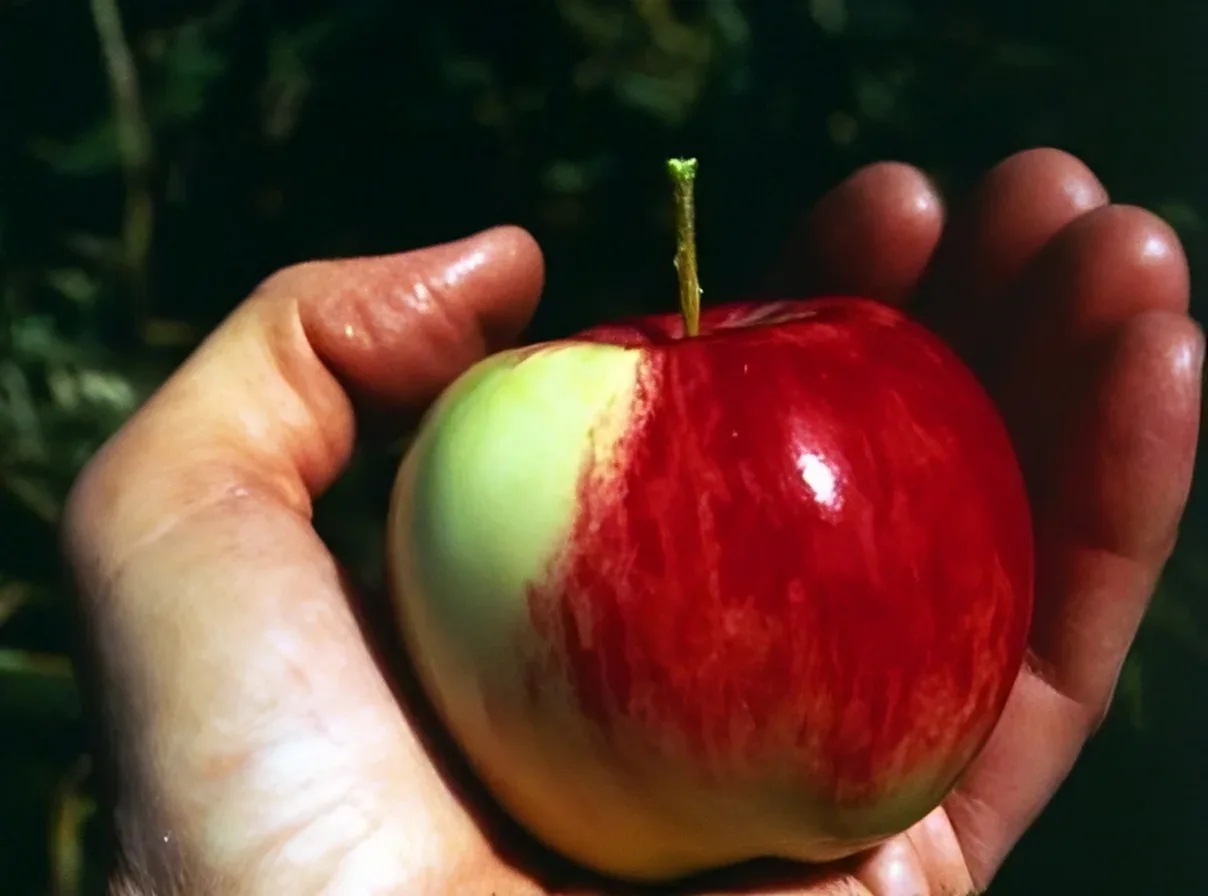
At roughly 1,400–1,500 m elevation, the gorge floor widens briefly and the riverbank hosts the densest wild-apple and apricot stands in the area. These are Malus sieversii trees — the progenitor species of the cultivated apple, first scientifically described from specimens near Almaty by Carl von Ledebour in 1830. The trees grow 5–10 m tall with rough grey bark; in late April and early May they flower white-pink, and in August–September they carry small, tart fruit ranging from yellow-green to red. Wild apricots bloom earlier, in March. Barberry and hawthorn fill the understorey. The riverbank here is the standard picnic area for day-trippers; flat stones near the river crossing make a good rest stop before the climb.
Open Riverbed Walk Wild Apple Grove in maps
Choose a map provider for this destination.
These links open only this place, not a full road-trip route. Links open in a new tab. 2GIS opens the map point; start navigation there.
Gallery

.jpg)

Jump to visit notes
Visit notes
Viewing visit notes for Kaskelen Gorge
Riverbed Walk — Wild Apple Grove
Step 4 · 8 km from previous · 15 min drive
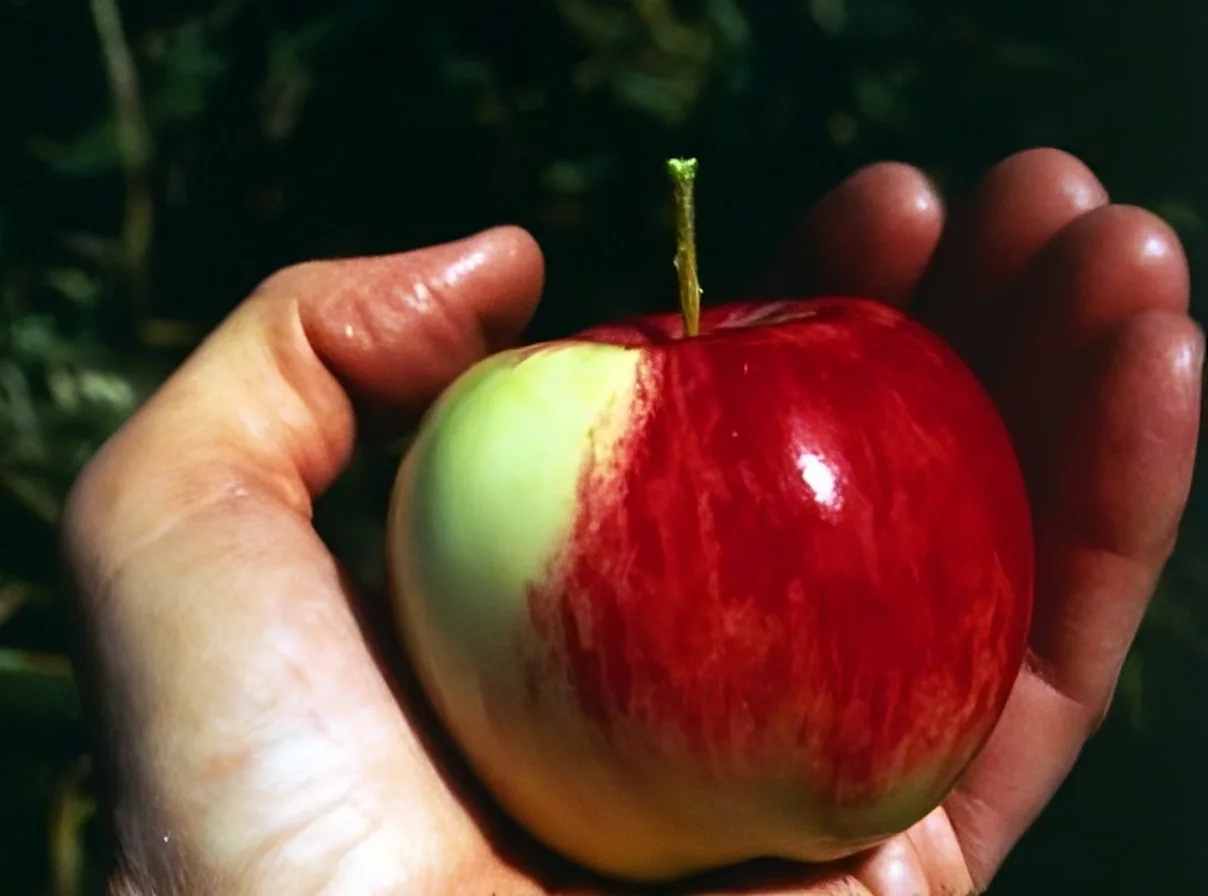
At roughly 1,400–1,500 m elevation, the gorge floor widens briefly and the riverbank hosts the densest wild-apple and apricot stands in the area. These are Malus sieversii trees — the progenitor species of the cultivated apple, first scientifically described from specimens near Almaty by Carl von Ledebour in 1830. The trees grow 5–10 m tall with rough grey bark; in late April and early May they flower white-pink, and in August–September they carry small, tart fruit ranging from yellow-green to red. Wild apricots bloom earlier, in March. Barberry and hawthorn fill the understorey. The riverbank here is the standard picnic area for day-trippers; flat stones near the river crossing make a good rest stop before the climb.