Overview
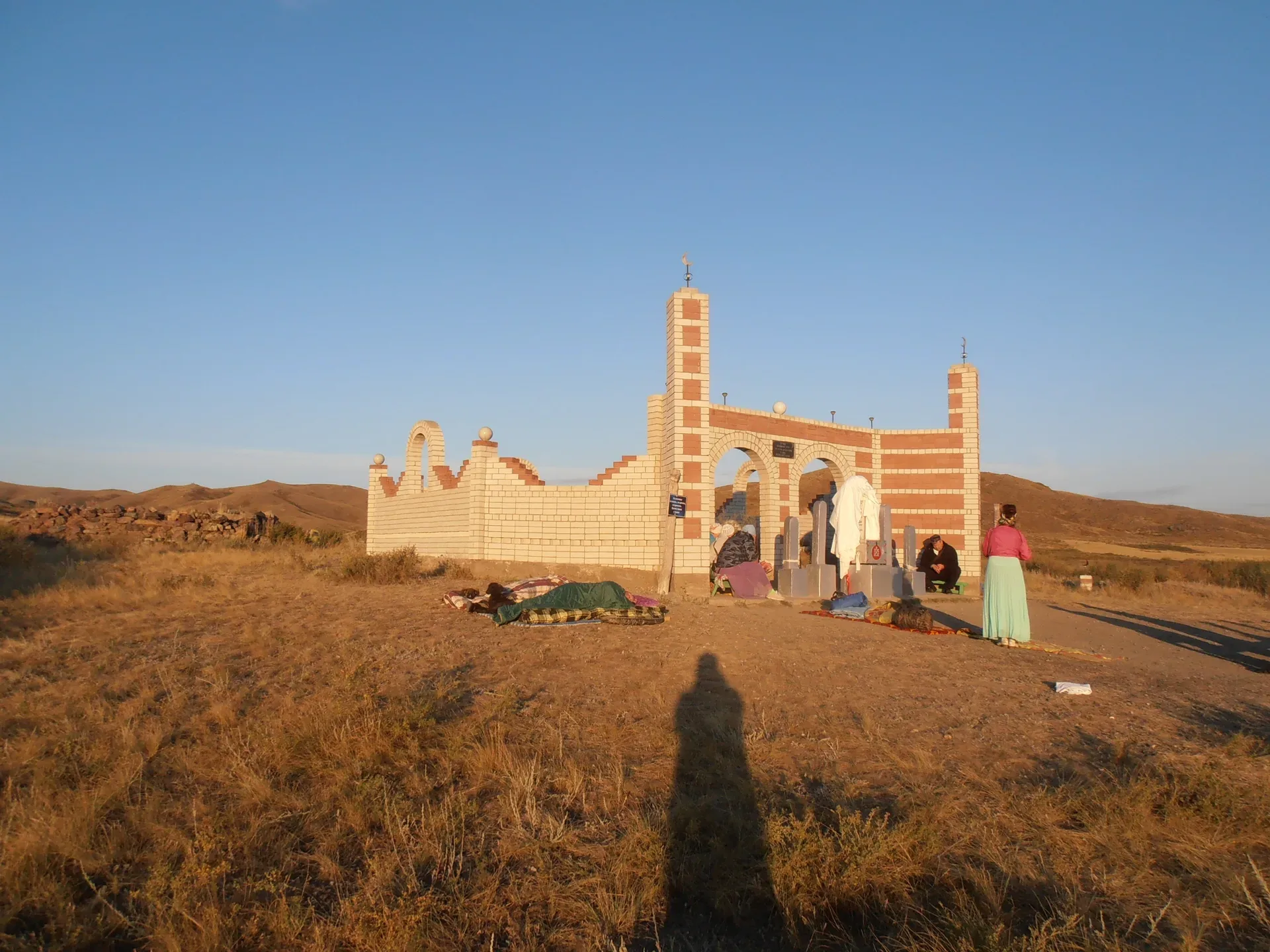
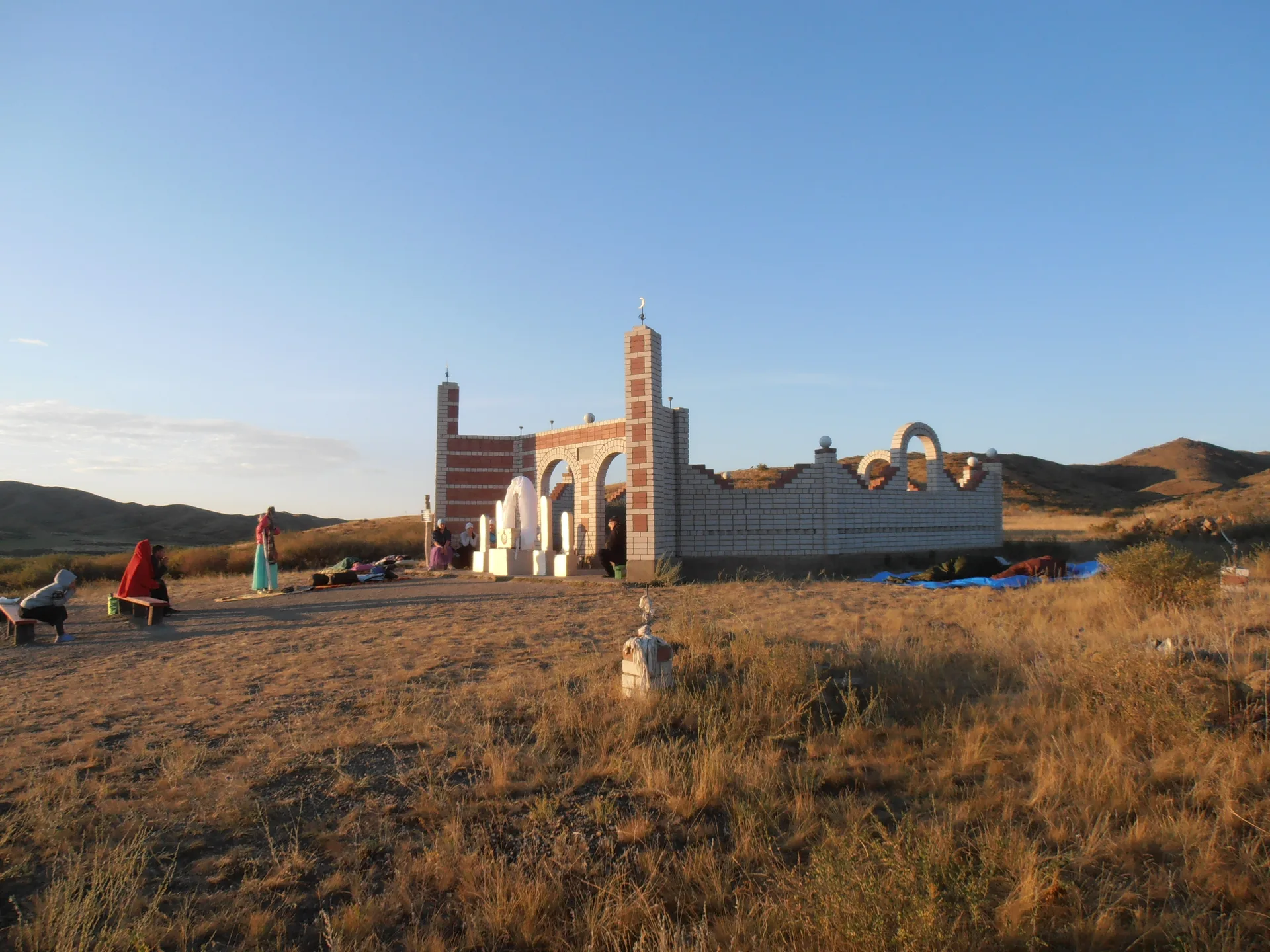
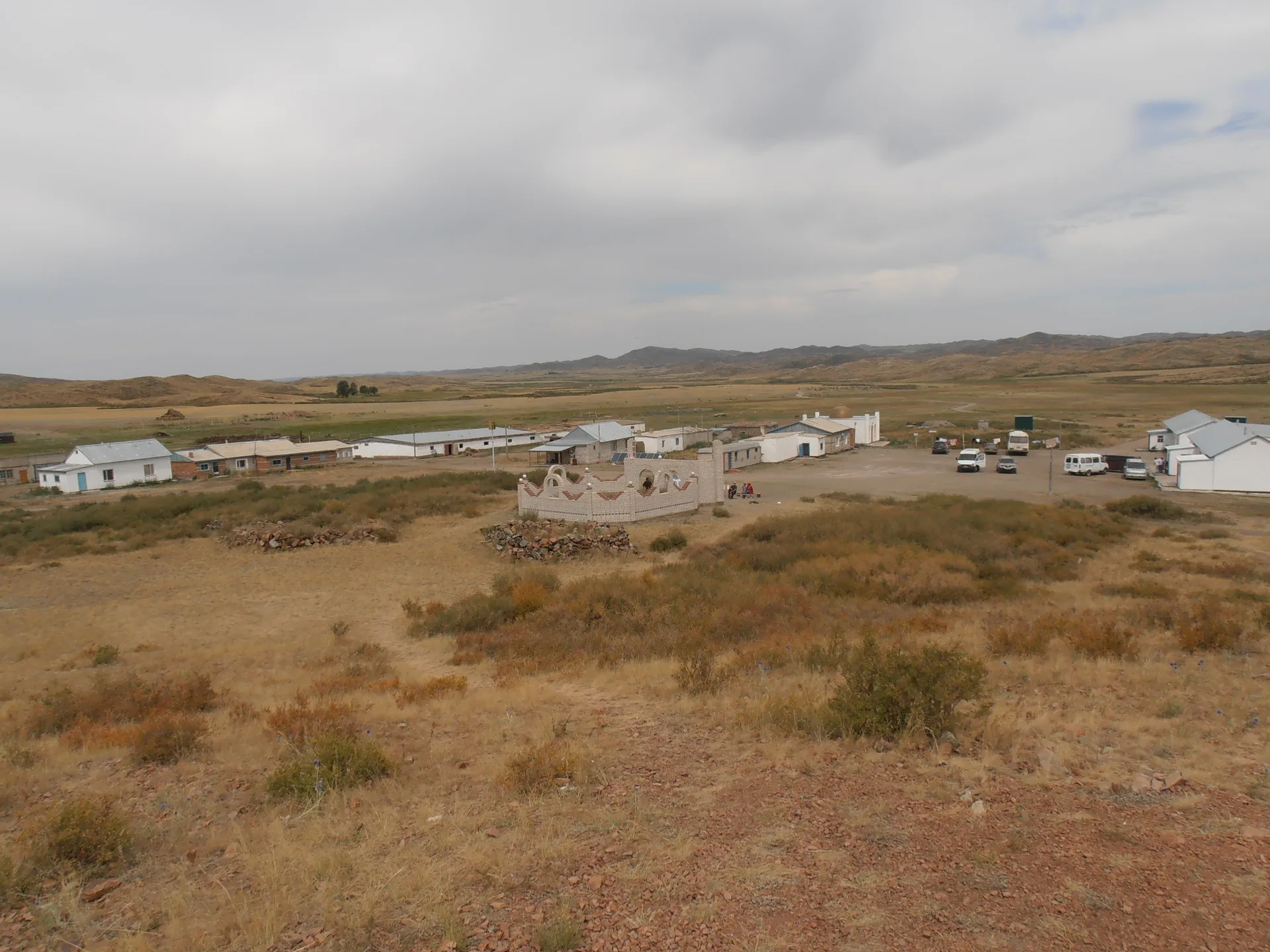
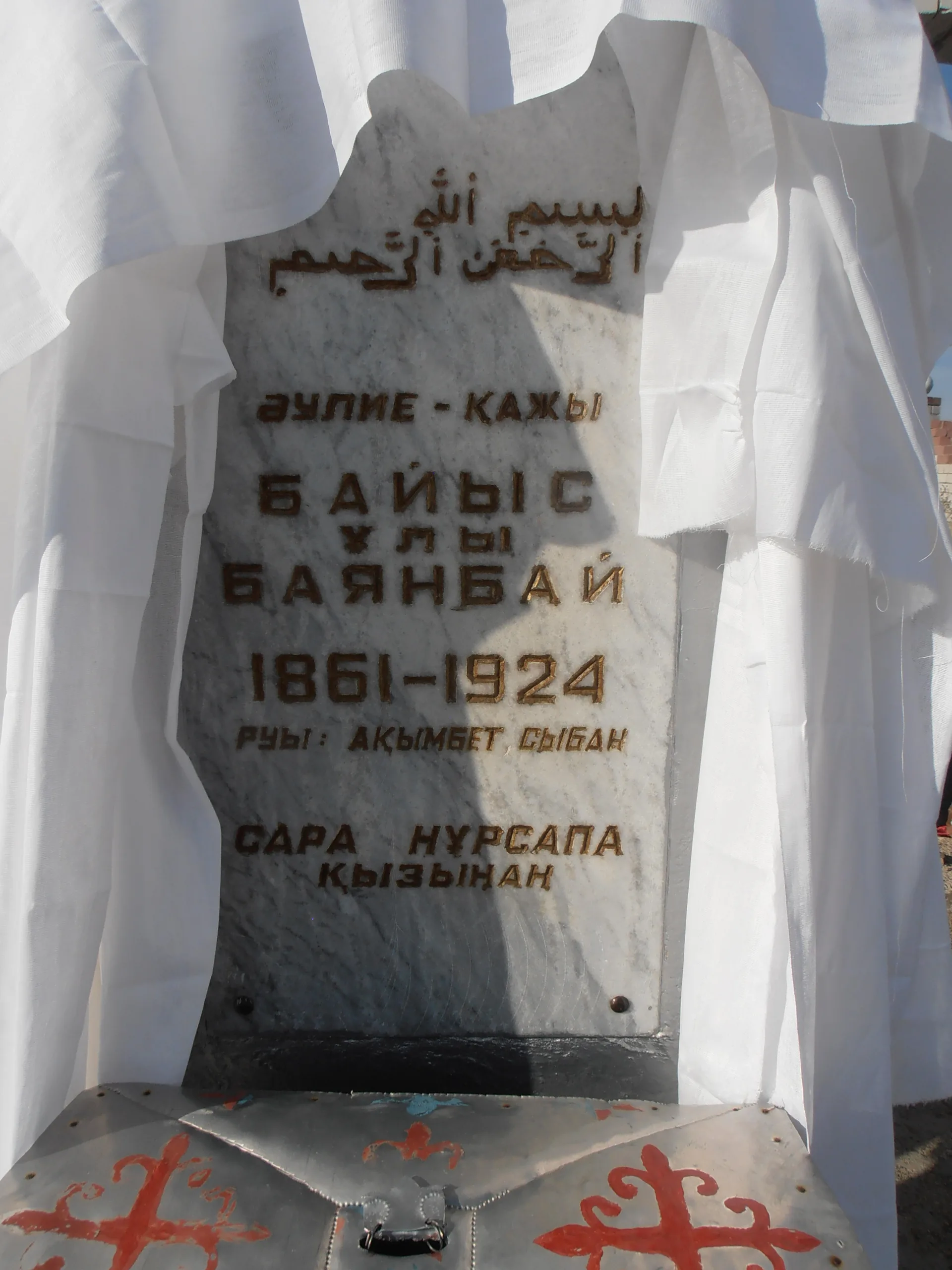
Small vernacular mausoleums known as kesene (кесене) dot the steppe of the Kegen and Tekes districts — mudbrick dome-on-drum structures built during the 14th–17th century as the Kazakh Khanate consolidated across these high-plateau territories after the dissolution of the Mongol Empire. They are modest in scale compared to the tile-faced mausoleums of the Silk Road cities: a square base of packed mud and fired brick, tapering to a cylindrical drum, topped by a hemispherical dome. The dome-on-drum form is the direct architectural precedent of Central Asian Islamic funerary architecture, adapted here with local materials and labour. Several examples survive in varying states of preservation in the Kegen district; some stand in active use as pilgrimage sites visited by local communities. Image sourcing for specific Kegen-district kesene is thin — the image here shows a comparable brick mausoleum from eastern Kazakhstan for structural reference; owner review recommended before publication.
Open Kazakh Kesene Mausoleum in maps
Choose a map provider for this destination.
These links open only this place, not a full road-trip route. Links open in a new tab. 2GIS opens the map point; start navigation there.
Gallery
.jpg)
.jpg)
.jpg)

_Kazakhstan.JPG)
Jump to visit notes
Visit notes
Viewing visit notes for Kegen–Tekes Plateau
Kazakh kesene mausoleum
Step 7 · 5 km from previous · 15 min drive
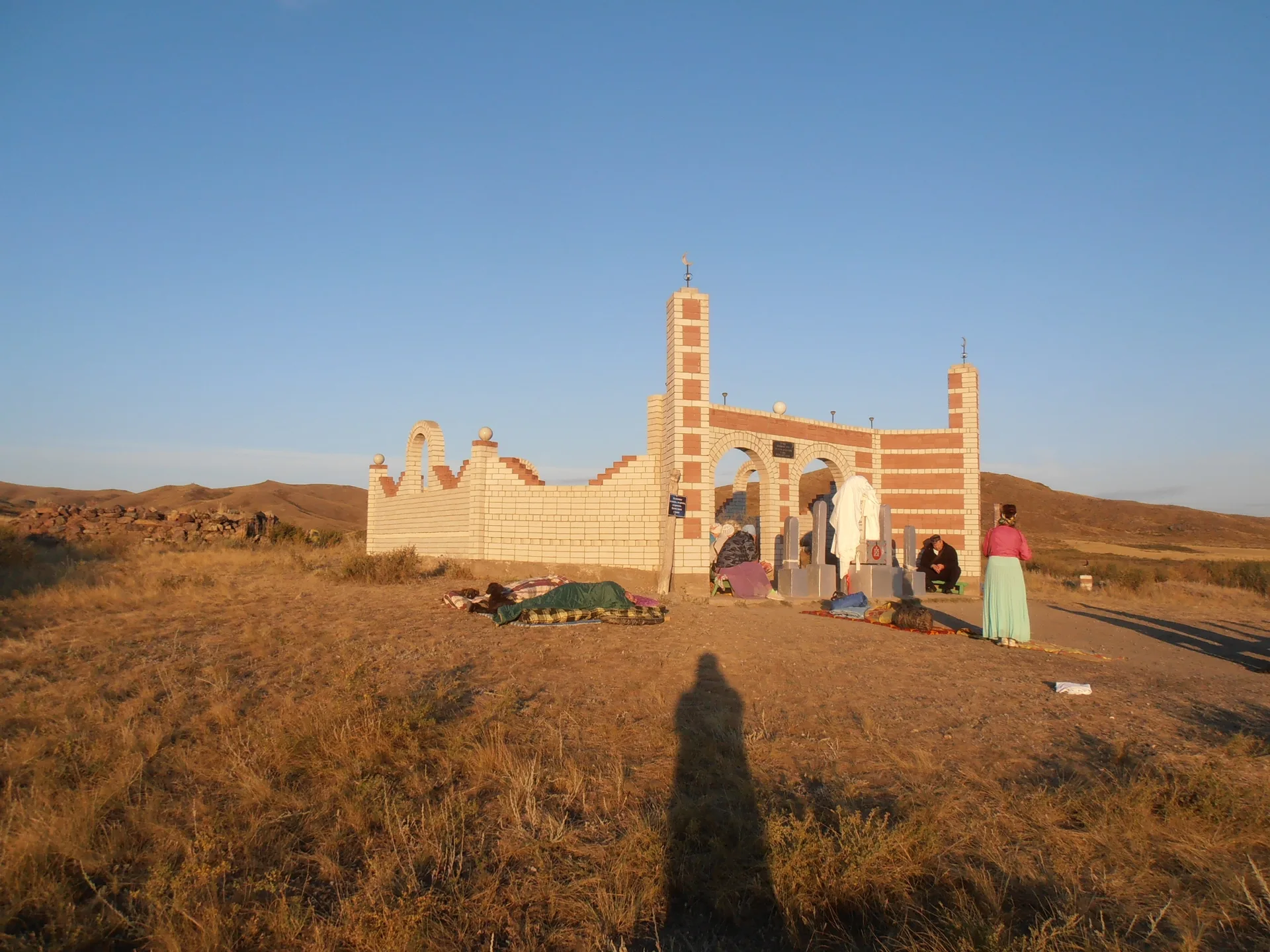
Small vernacular mausoleums known as kesene (кесене) dot the steppe of the Kegen and Tekes districts — mudbrick dome-on-drum structures built during the 14th–17th century as the Kazakh Khanate consolidated across these high-plateau territories after the dissolution of the Mongol Empire. They are modest in scale compared to the tile-faced mausoleums of the Silk Road cities: a square base of packed mud and fired brick, tapering to a cylindrical drum, topped by a hemispherical dome. The dome-on-drum form is the direct architectural precedent of Central Asian Islamic funerary architecture, adapted here with local materials and labour. Several examples survive in varying states of preservation in the Kegen district; some stand in active use as pilgrimage sites visited by local communities. Image sourcing for specific Kegen-district kesene is thin — the image here shows a comparable brick mausoleum from eastern Kazakhstan for structural reference; owner review recommended before publication.