Overview
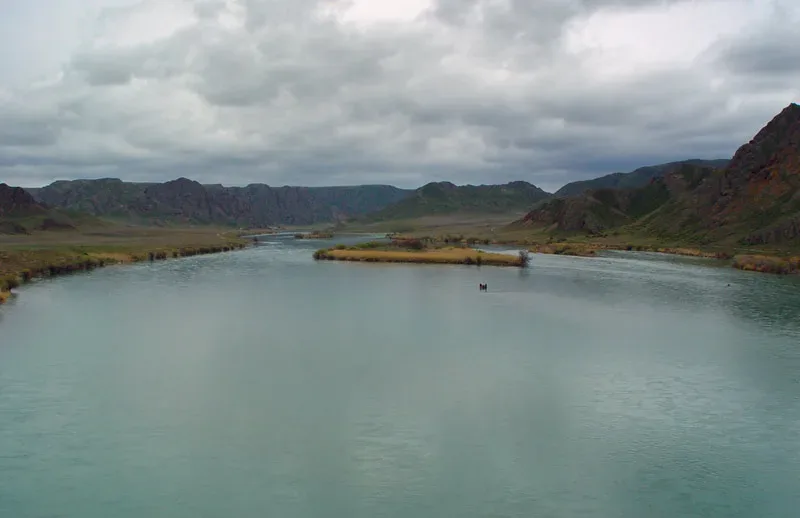
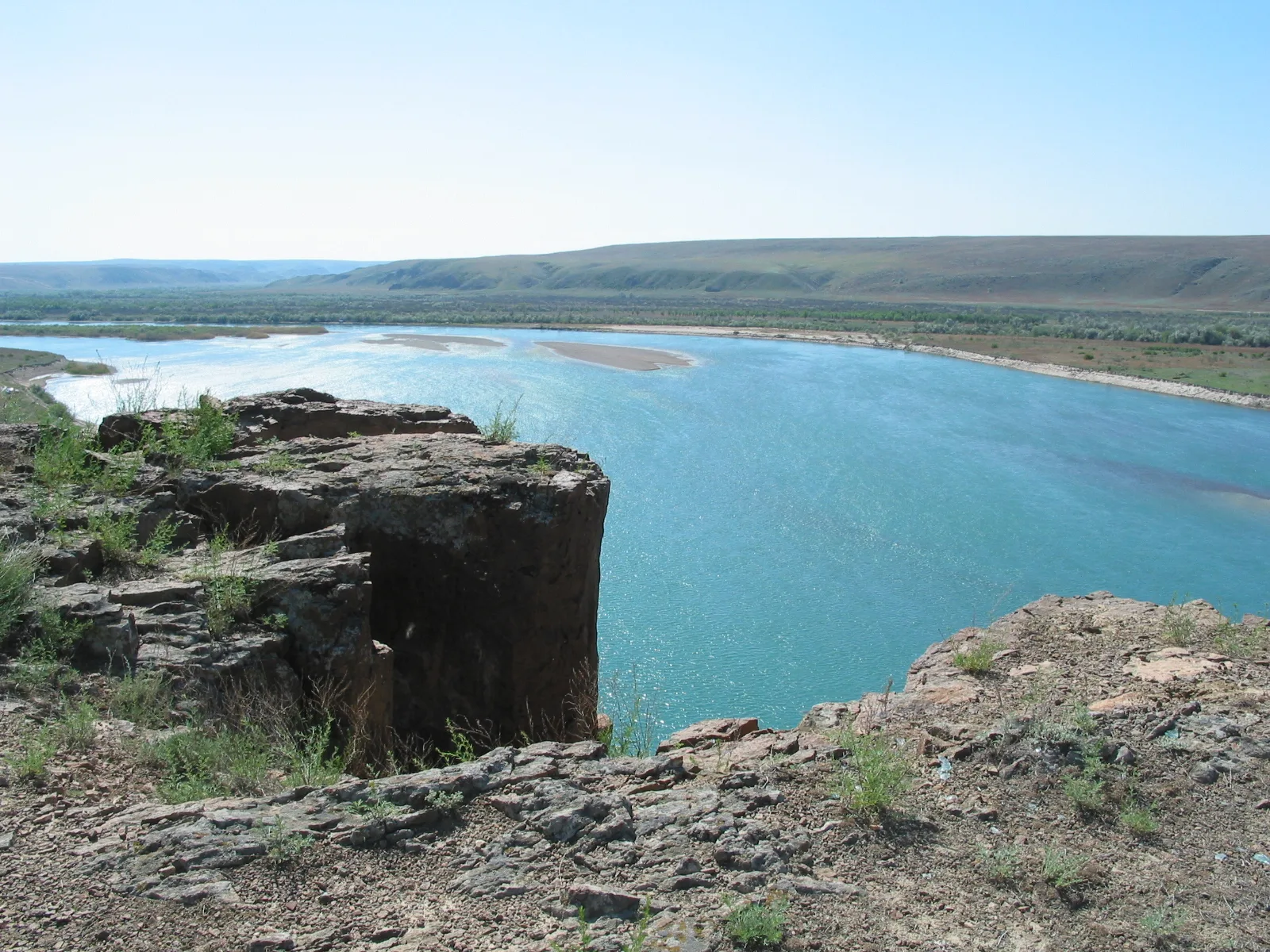
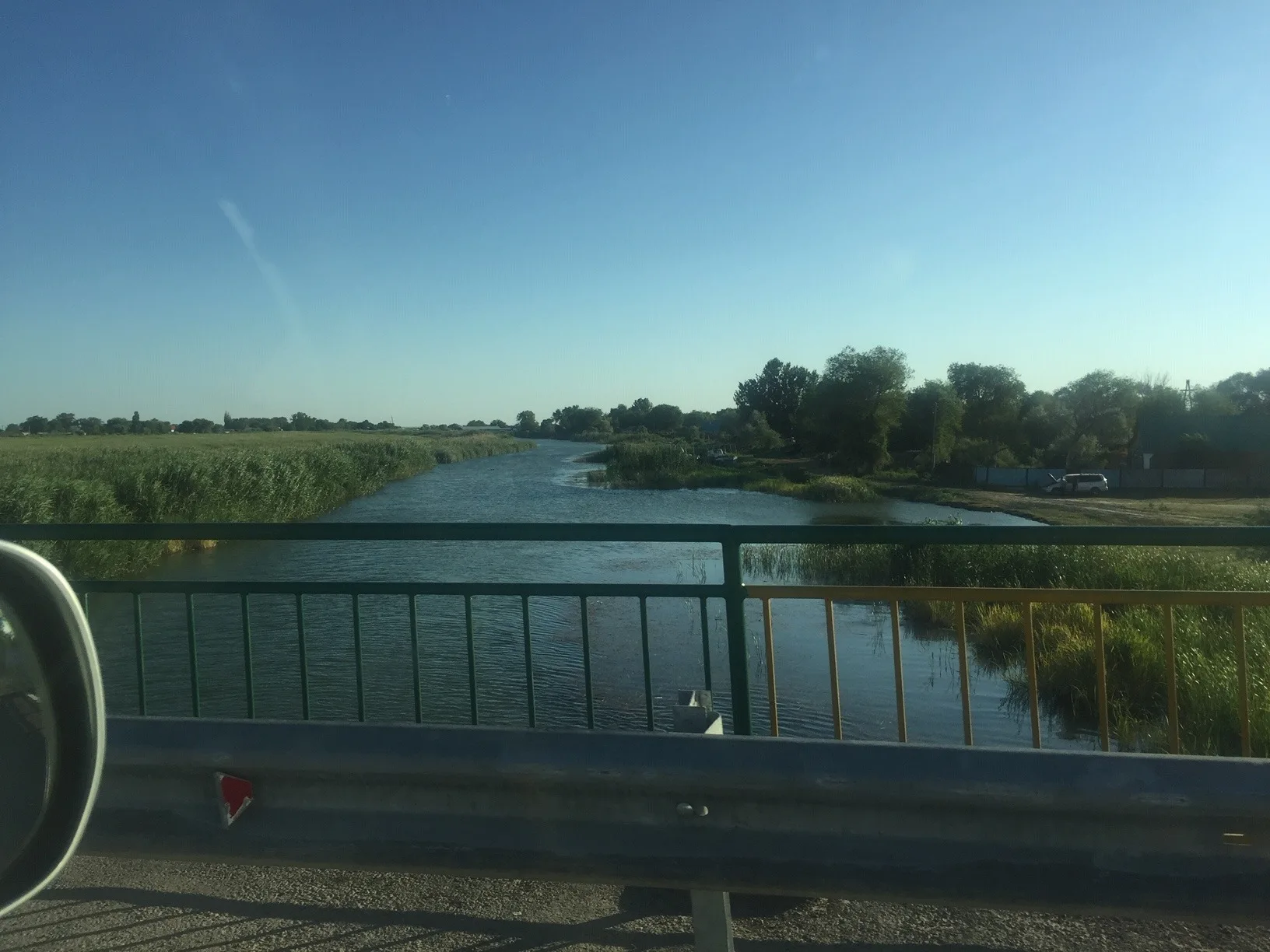
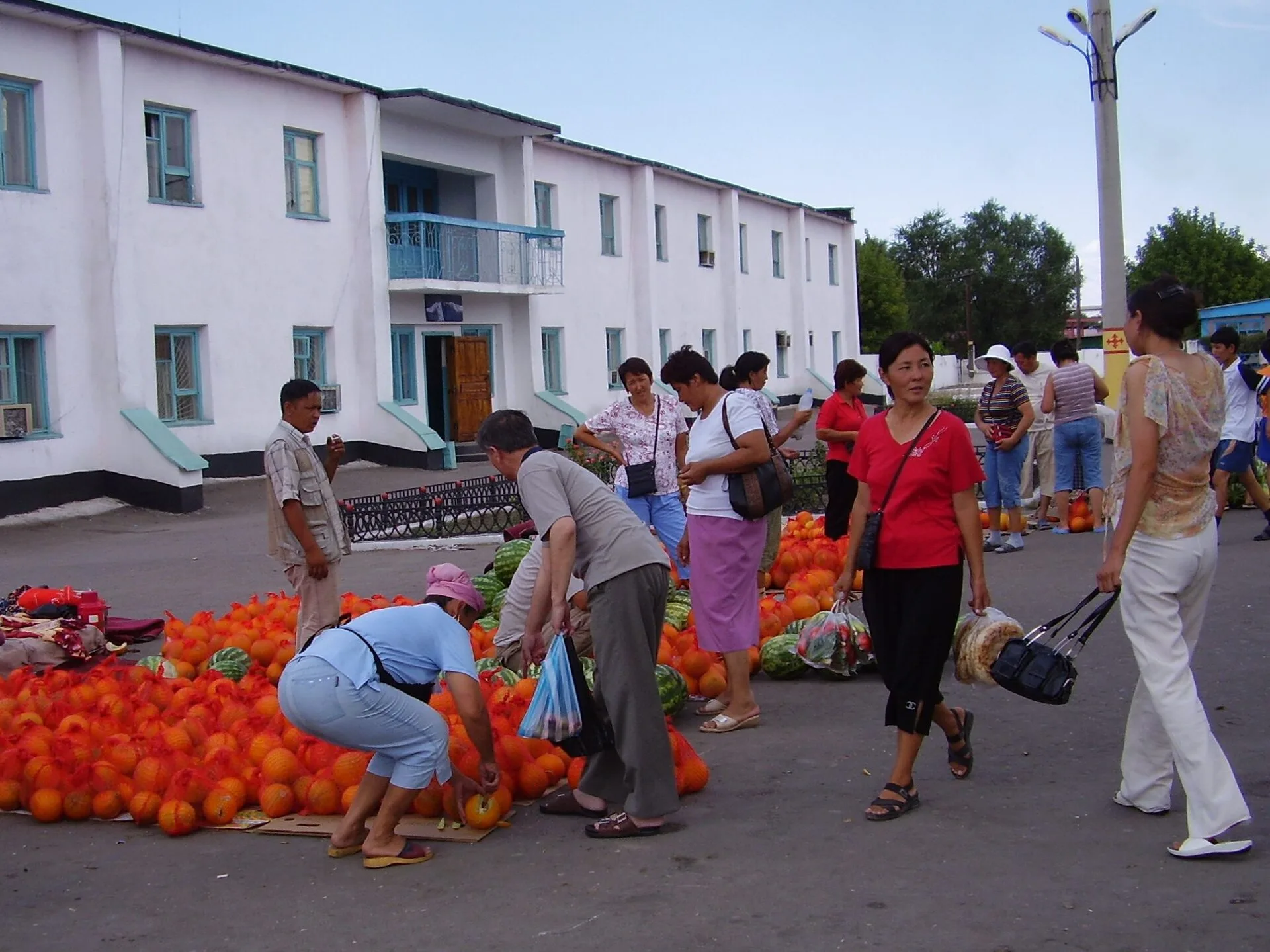
The road south of Zharkent toward the Ile River runs through a microclimate zone unlike the surrounding steppe. The Ile valley floor, at roughly 600–700 m elevation, receives enough moisture from the river corridor to support viticulture and melon cultivation that is absent 30 km in either direction. In late summer (August–September) roadside sellers set up under canvas awnings selling Panfilov district melons — round, yellow-skinned varieties — and table grapes from local plots. Wine production exists on a small scale; Kazakhstan's oldest winemaking artifacts were found in this district. The agricultural strip is 15–20 km long before the terrain reverts to open steppe. This section works as a scenic afternoon stop and a practical place to buy fresh produce for the overnight stay.
Open Ile Valley Grape And Melon Corridor in maps
Choose a map provider for this destination.
These links open only this place, not a full road-trip route. Links open in a new tab. 2GIS opens the map point; start navigation there.
Gallery


Jump to visit notes
Visit notes
Viewing visit notes for Zharkent Uyghur Heritage
Ile valley — grape and melon corridor
Step 6 · 15 km from previous · 20 min drive
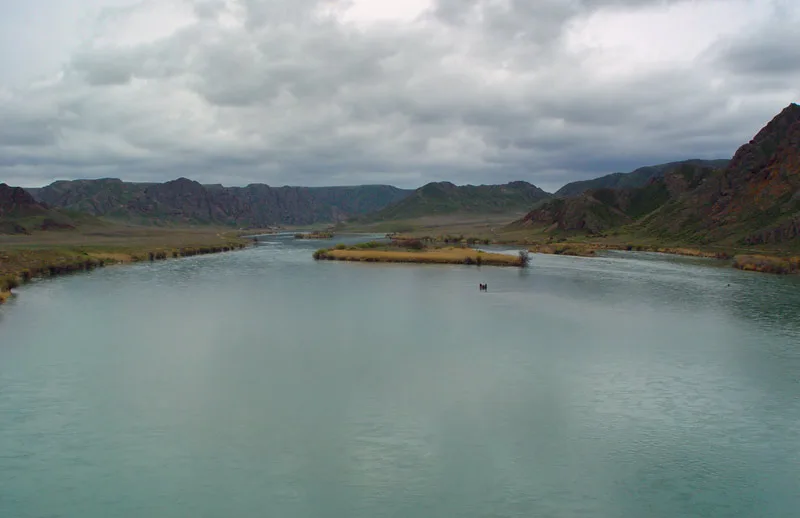
The road south of Zharkent toward the Ile River runs through a microclimate zone unlike the surrounding steppe. The Ile valley floor, at roughly 600–700 m elevation, receives enough moisture from the river corridor to support viticulture and melon cultivation that is absent 30 km in either direction. In late summer (August–September) roadside sellers set up under canvas awnings selling Panfilov district melons — round, yellow-skinned varieties — and table grapes from local plots. Wine production exists on a small scale; Kazakhstan's oldest winemaking artifacts were found in this district. The agricultural strip is 15–20 km long before the terrain reverts to open steppe. This section works as a scenic afternoon stop and a practical place to buy fresh produce for the overnight stay.