Overview
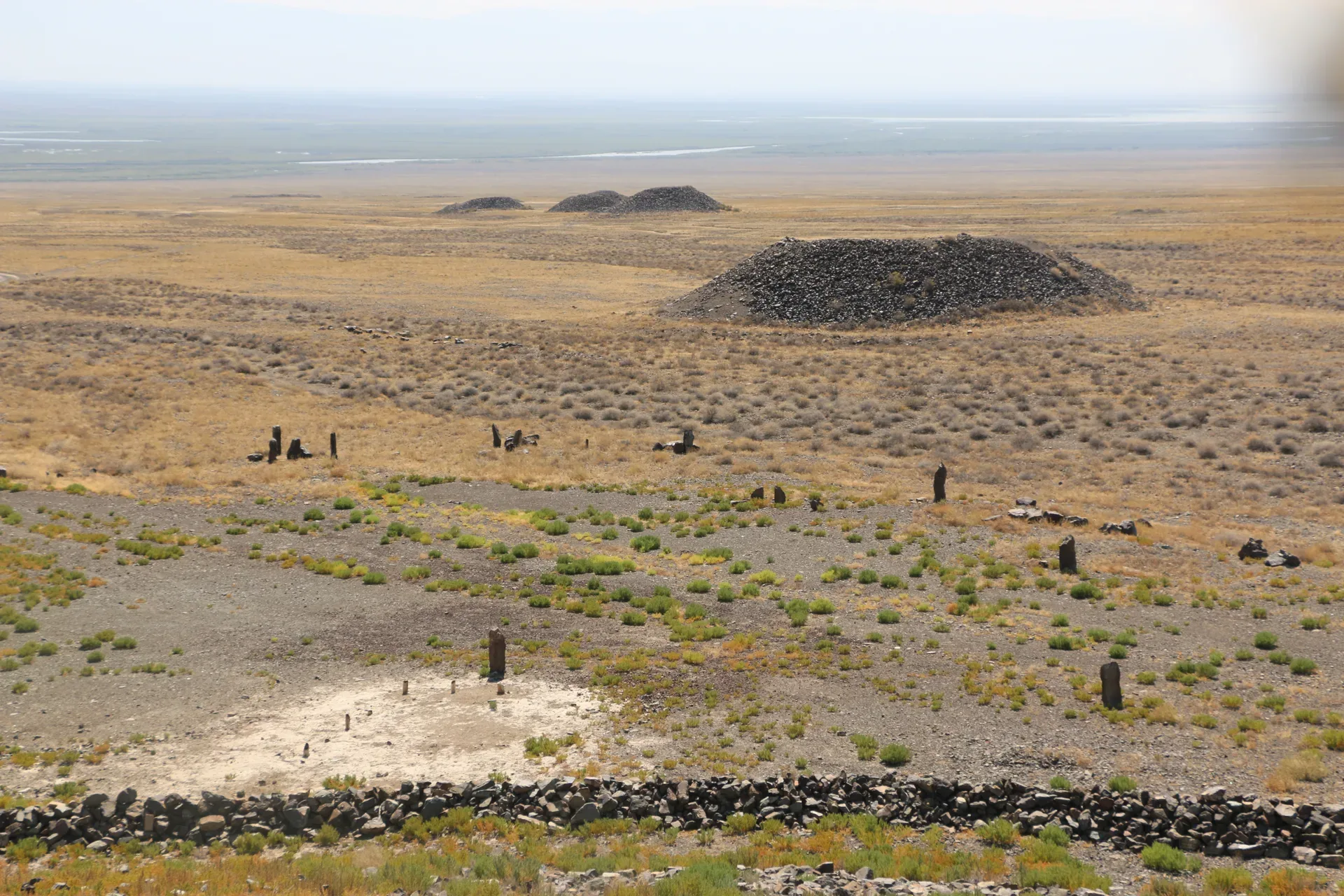
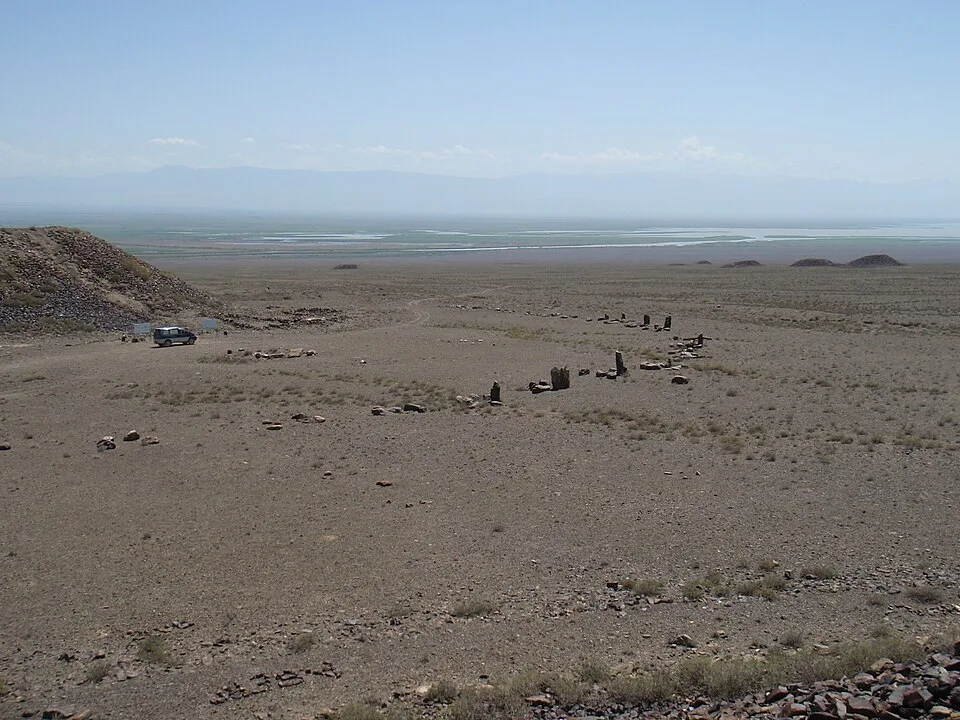
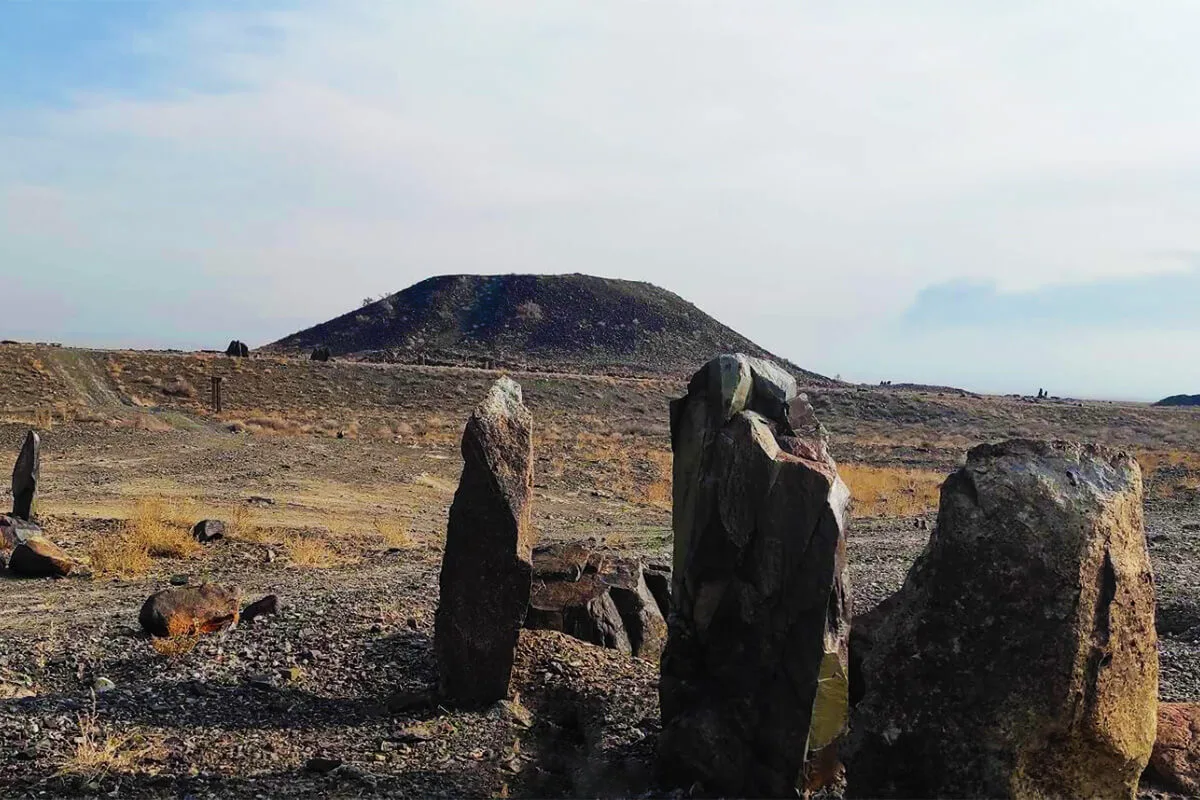
On the right bank of the Ili River, a plain scattered with 31 earthen mounds marks the necropolis of the Semirechye-Saka, nomadic pastoralists who dominated these steppes from the 6th to the 4th century BC. The largest kurgan stands 17 m high with a diameter of 105 m — easily visible from a distance — and the entire site covers roughly 2 km². The mounds are arranged in orderly rows running north to south. Ritual altar stones on the eastern faces reflect a Saka sun-cult. Gold artefacts, weapons and elaborate animal-style ornaments were recovered during Soviet-era excavations; replicas are displayed at the Kazakh Museum of Arts in Almaty. UNESCO's 2023 World Heritage nomination for the broader Saka burial complex brought renewed attention to the site.
Open Besshatyr Burial Mounds in maps
Choose a map provider for this destination.
These links open only this place, not a full road-trip route. Links open in a new tab. 2GIS opens the map point; start navigation there.
Gallery


Jump to visit notes
Visit notes
Viewing visit notes for Altyn-Emel National Park
Besshatyr Burial Mounds
Step 6 · 30 km from previous · 40 min drive
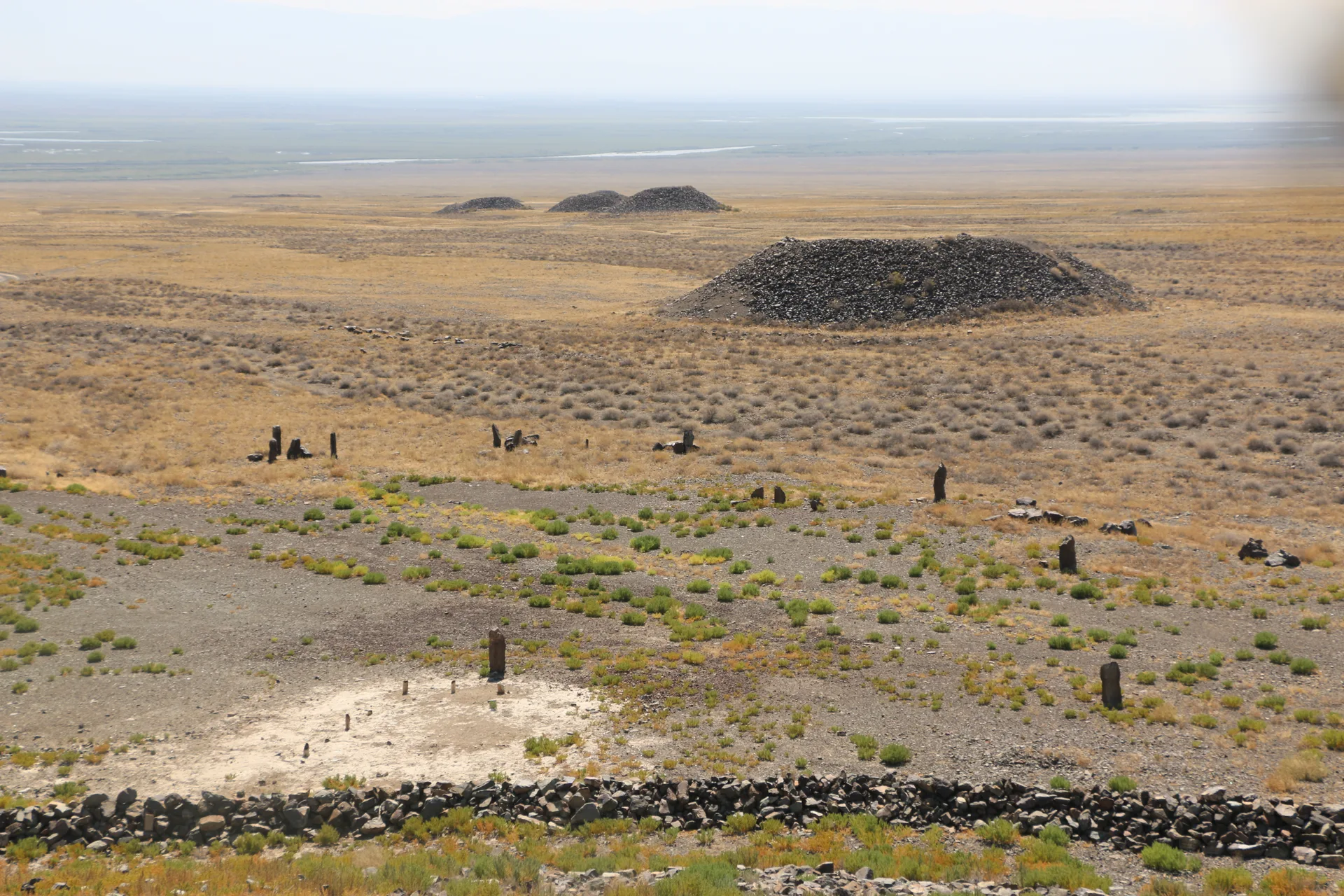
On the right bank of the Ili River, a plain scattered with 31 earthen mounds marks the necropolis of the Semirechye-Saka, nomadic pastoralists who dominated these steppes from the 6th to the 4th century BC. The largest kurgan stands 17 m high with a diameter of 105 m — easily visible from a distance — and the entire site covers roughly 2 km². The mounds are arranged in orderly rows running north to south. Ritual altar stones on the eastern faces reflect a Saka sun-cult. Gold artefacts, weapons and elaborate animal-style ornaments were recovered during Soviet-era excavations; replicas are displayed at the Kazakh Museum of Arts in Almaty. UNESCO's 2023 World Heritage nomination for the broader Saka burial complex brought renewed attention to the site.