Overview
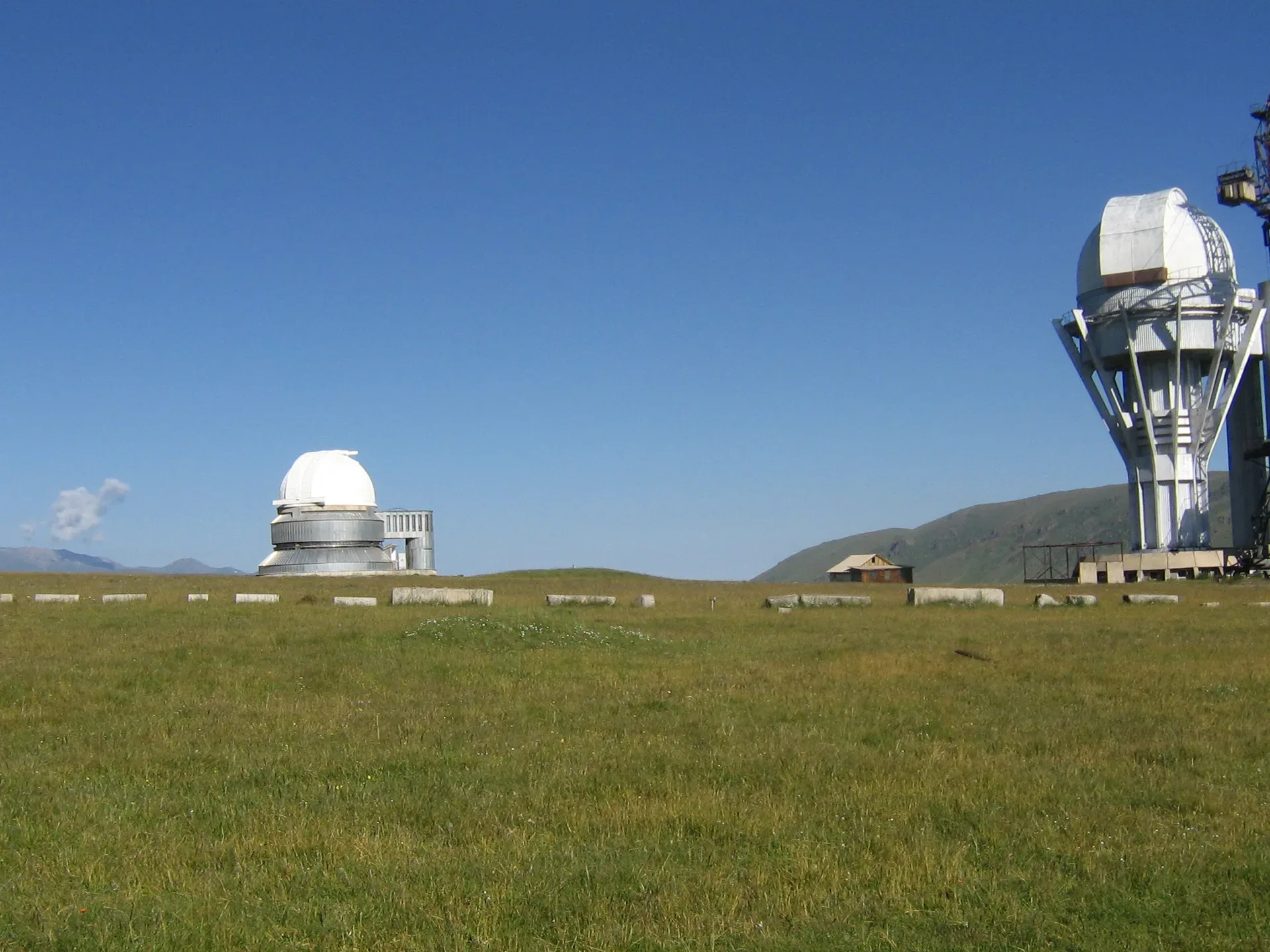
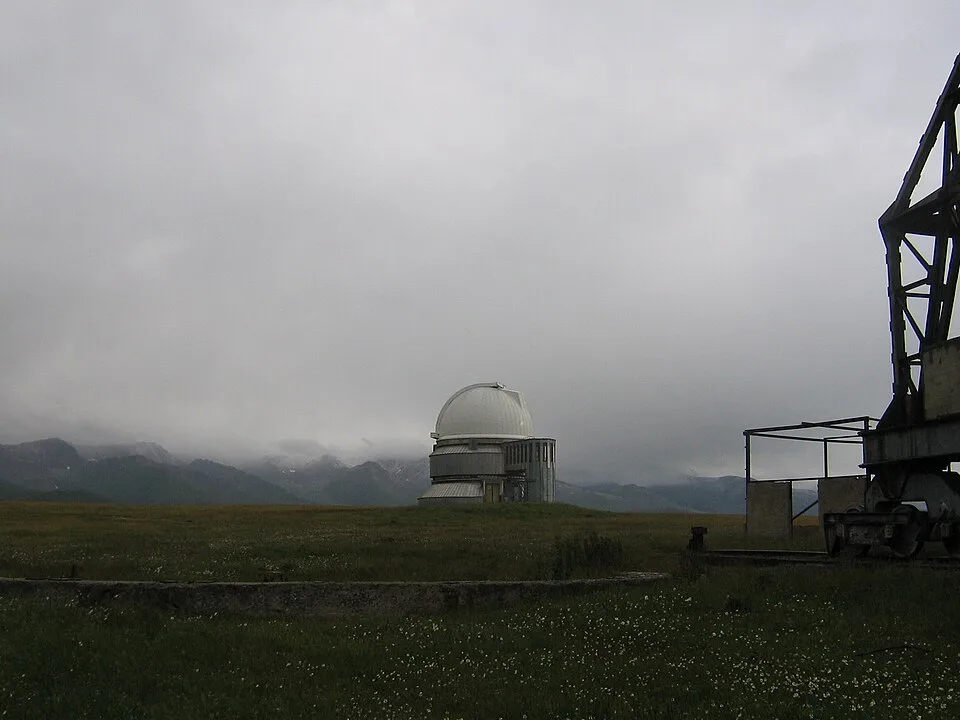
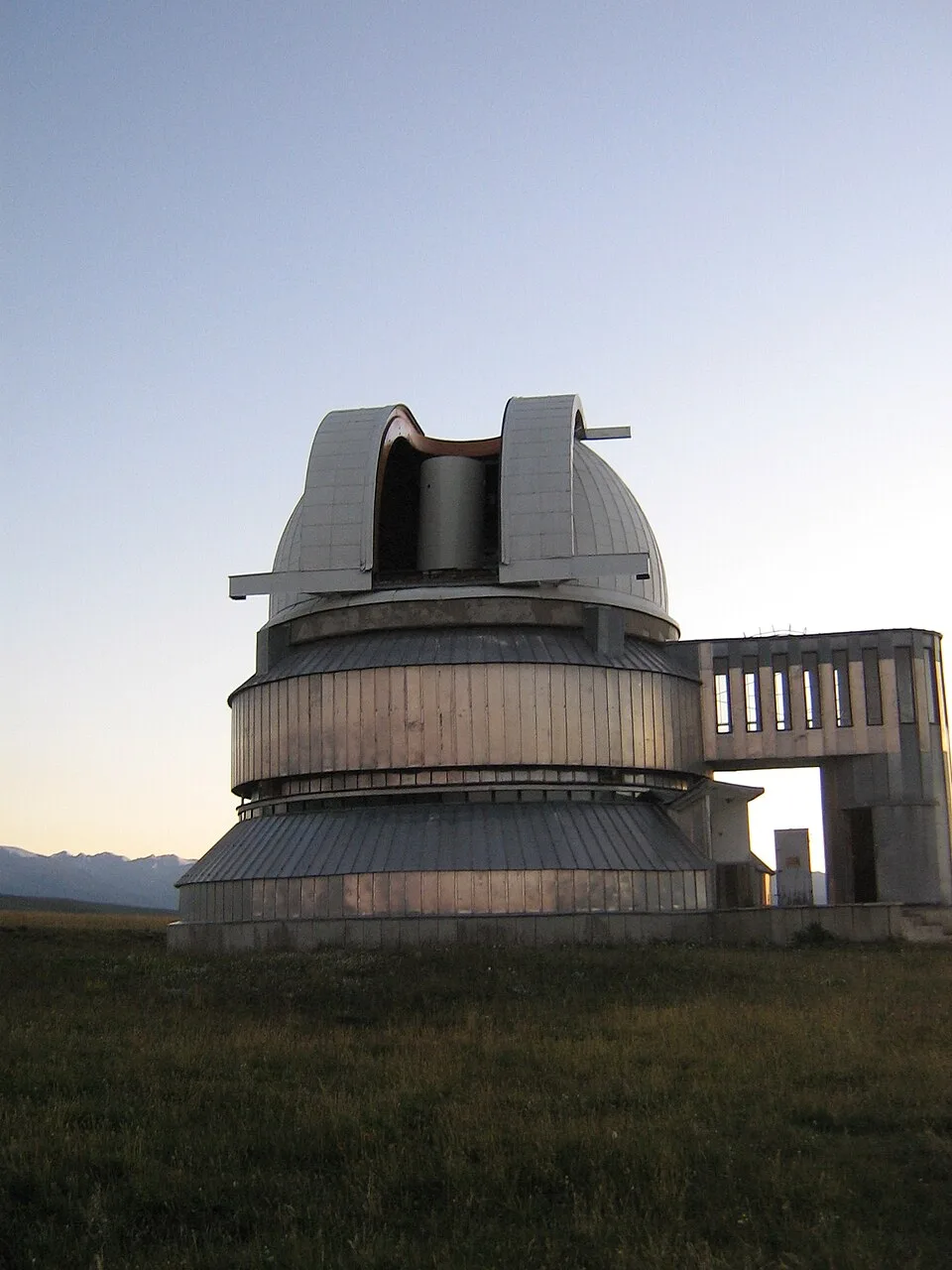
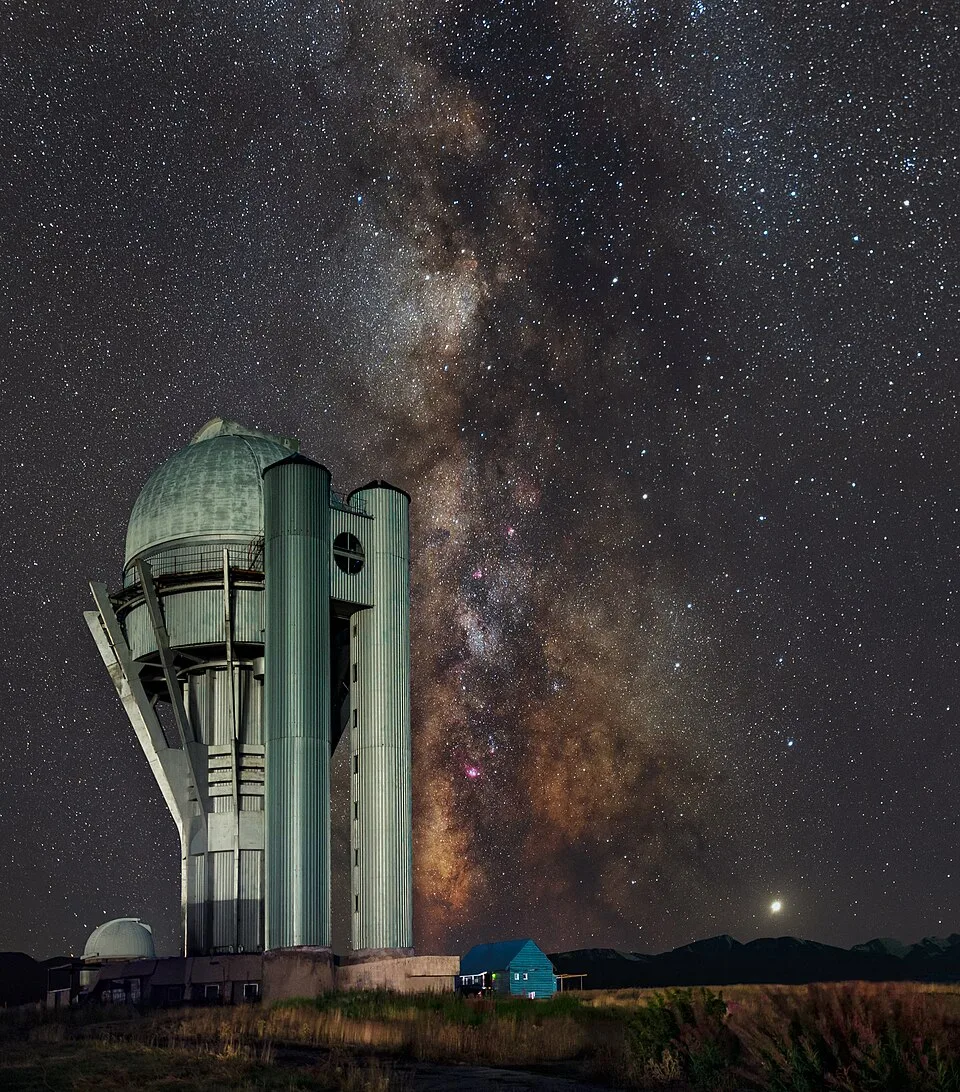
The Assy-Turgen Observatory sits at 2750 m at the eastern edge of the plateau, its white dome visible from several kilometres away. It belongs to the Fesenkov Astrophysical Institute and operates three telescopes, the largest being a 1.5-metre Cassegrain (AZT-20). Construction began in 1975 and the site is considered to have the best astroclimatic conditions in Kazakhstan — average seeing below 2 arcseconds. The road to the observatory from the main plateau track is rough but short (2–3 km). During summer months some visitors arrange evening access for stargazing, though this is informal; contact the Fesenkov Institute in Almaty in advance. Returning to Almaty from here retraces the Turgen Gorge route, adding roughly 1.5–2 hours of driving.
Open Assy Turgen Astrophysical Observatory in maps
Choose a map provider for this destination.
These links open only this place, not a full road-trip route. Links open in a new tab. 2GIS opens the map point; start navigation there.
Gallery


.jpg)
Jump to visit notes
Visit notes
Viewing visit notes for Assy Plateau
Assy-Turgen Astrophysical Observatory
Step 4 · 10 km from previous · 25 min drive
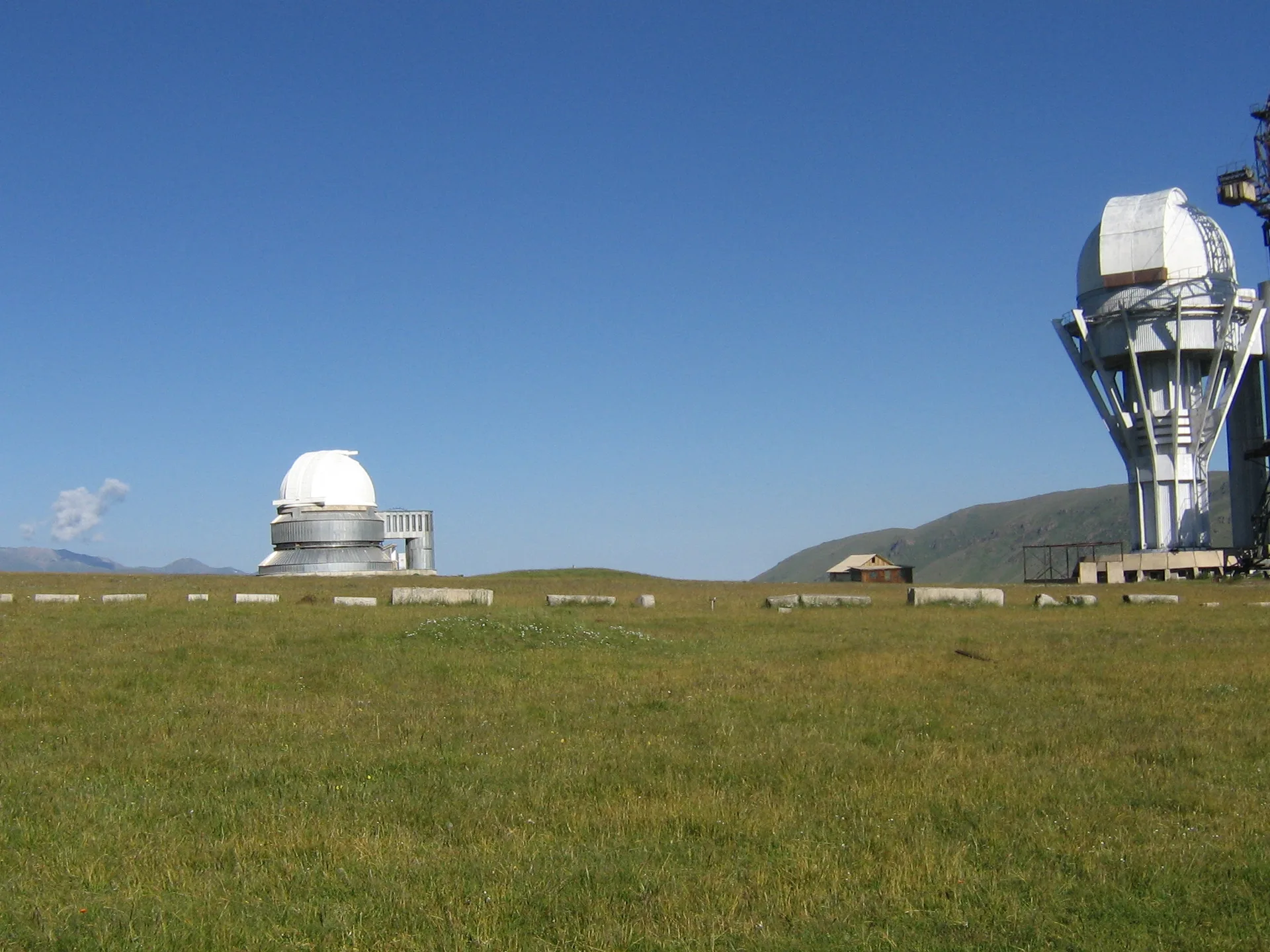
The Assy-Turgen Observatory sits at 2750 m at the eastern edge of the plateau, its white dome visible from several kilometres away. It belongs to the Fesenkov Astrophysical Institute and operates three telescopes, the largest being a 1.5-metre Cassegrain (AZT-20). Construction began in 1975 and the site is considered to have the best astroclimatic conditions in Kazakhstan — average seeing below 2 arcseconds. The road to the observatory from the main plateau track is rough but short (2–3 km). During summer months some visitors arrange evening access for stargazing, though this is informal; contact the Fesenkov Institute in Almaty in advance. Returning to Almaty from here retraces the Turgen Gorge route, adding roughly 1.5–2 hours of driving.